
The Testing
Perimeter
Validation at PathAI begins in our Montréal laboratory. We move beyond algorithmic theory to measure how human voices interact with digital systems in complex acoustic environments.
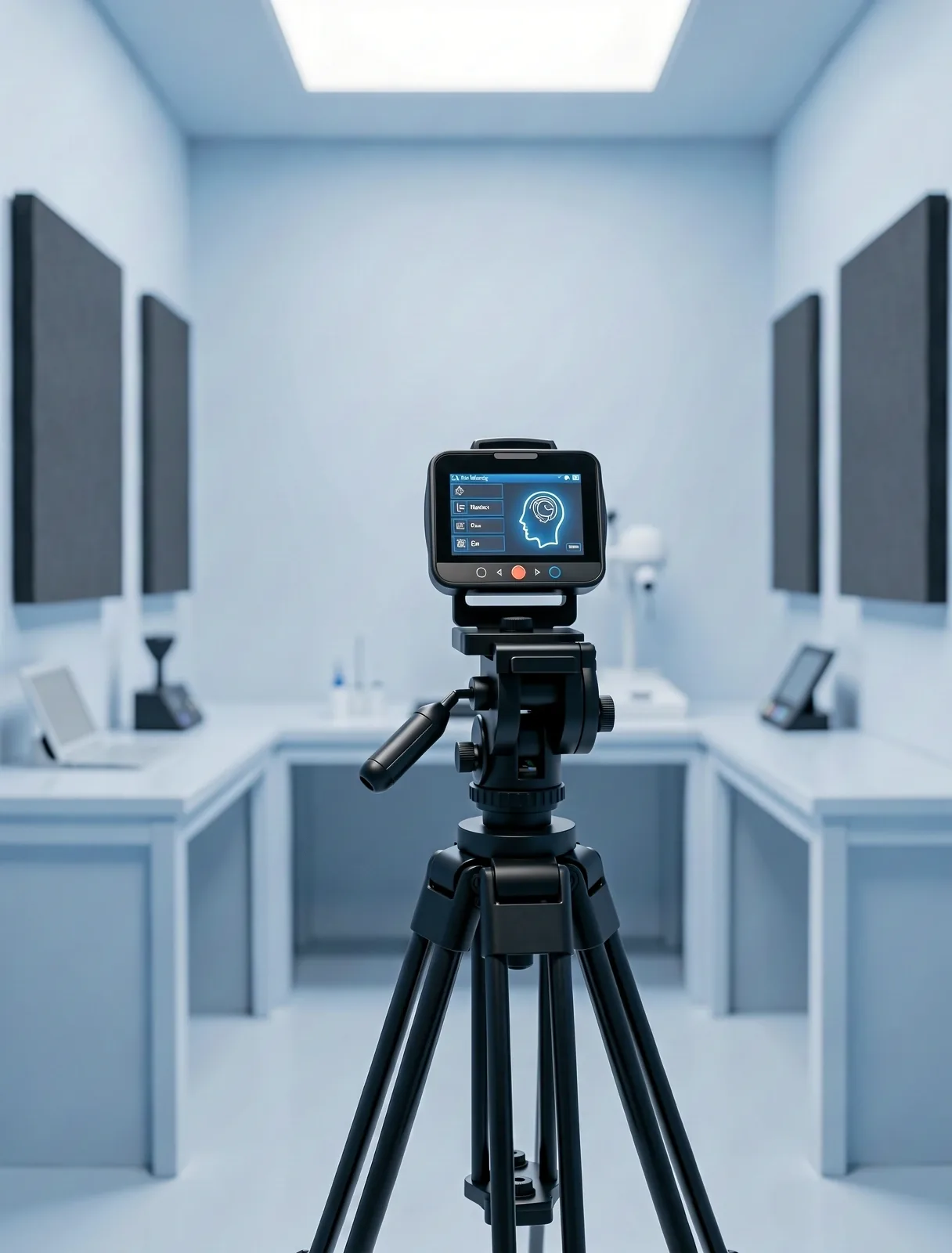
Calibrated Multidirectional Sensing
Our arrays capture nuanced vocal frequencies from 20Hz to 20kHz to ensure linguistic clarity across diverse accents.
Ambient Noise Injection
Testing environments simulate industrial noise, crowd chatter, and varying echo conditions to stress-test recognition accuracy.
Empirical Validation Layers

Neural frequency mapping allows our researchers to isolate specific user commands within high-interference zones.
Advanced Acoustic Modeling
We avoid "black-box" AI by providing transparent engineering documentation. Every framework is verified against HCI lab performance benchmarks prior to enterprise deployment.
- Signal-to-Noise Verification
- Latency Mapping
- Dialectical Integrity
"Reliability in voice-driven HCI isn't about perfectly ideal conditions; it's about defining the point where a system fails gracefully and recovers instantly."
PathAI Methodology Note — 2026.06.01User-Centric Evaluation
Vocal Profiling & Linguistic Diversity
We analyze vocal pitch, cadence, and dialectal variations. Our testing ensures that voice interfaces respond predictably to Canada’s diverse linguistic landscape without degradation in recognition quality.

Latency Threshold Analysis
Human conversation requires a response timing of under 200ms to feel natural. We benchmark our edge and cloud architectures to minimize 'turn-taking' lag, preventing cognitive dissonance during user interactions.
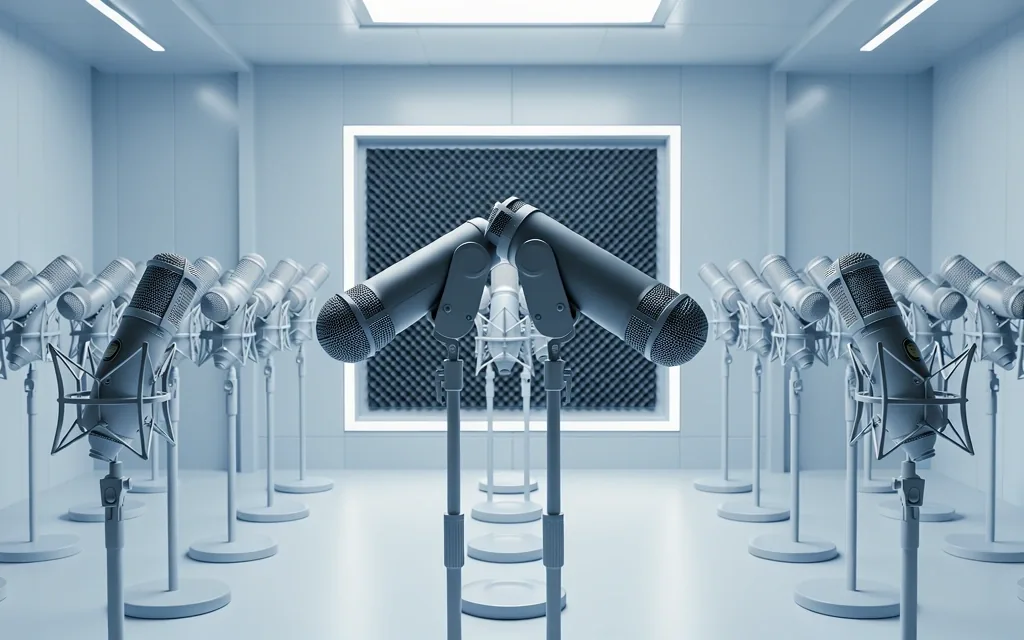
Error Recovery Mapping
How a system handles misunderstanding is as critical as its recognition rate. We design behavioral loops that allow users to correct intents through natural dialogue, grounded in established HCI principles.

Target Interaction Latency
Monthly Lab Data Audited
Linguistic Edge-Cases Tested
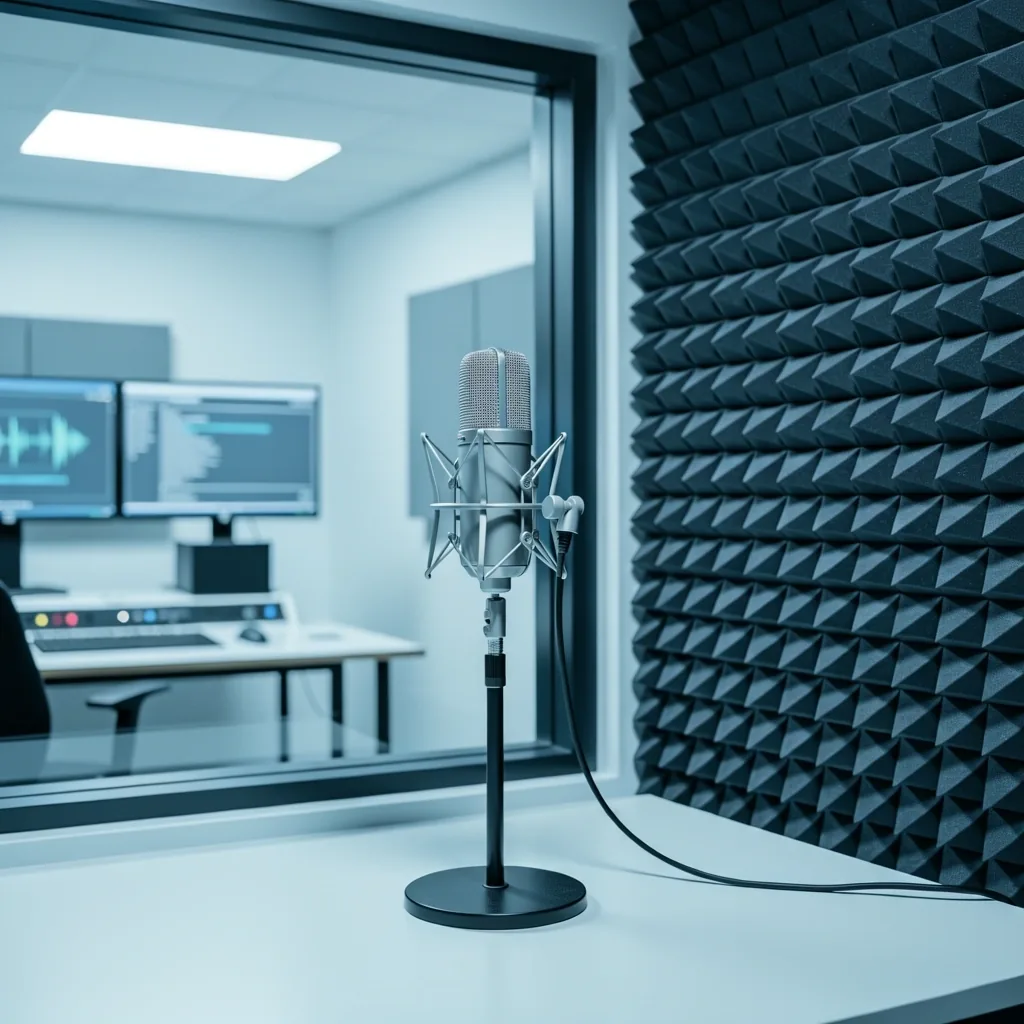
"Precision laboratory environments allow us to strip away environmental variables to understand the core physics of voice-command latency."
Clinical Oversight in Voice Science
At PathAI, we believe that 'average accuracy' is a misleading metric for enterprise applications. Instead, we focus on high-scrutiny behavioral studies that account for the user's cognitive workload. If a voice command requires more mental effort to articulate than a physical button requires to press, the HCI framework has failed.
Our researchers bridge the gap between academic depth and enterprise-ready software. We prioritize acoustic clarity over aesthetic gimmicks, grounding all product solutions in these laboratory testing protocols.
Laboratory F.A.Q.
PathAI provides standard web and mobile SDKs designed for seamless integration into enterprise SaaS products. Our frameworks support JavaScript/TypeScript, Swift, and Kotlin, with comprehensive API documentation reviewed monthly by our engineering team.
Our architectures are stress-tested against localized phonetic datasets. We actively audit for bias in recognition, ensuring that the technology performs with equal precision for users regardless of regional accent or non-native vocal cadence.
Research inquiries are typically reviewed within 3 business days. A full technical prototyping cycle in controlled acoustic environments typically spans 4 to 6 weeks, depending on the complexity of the user intent datasets.
PathAI Canada: 770 Sherbrooke St W, Montréal, QC H3A 1G1. Inquiries: [email protected]