
The Pulse of
Interaction
A multi-layered engineering framework designed for high-fidelity speech-to-text conversion and intent semantic mapping within complex acoustic environments.

Measuring signal-to-noise ratios across varied industrial environments to ensure command capture at the physical threshold.
The PathAI
Software Stack
Our NLU technology is built as an integrated vertical stack, moving from raw spectral data to actionable digital intent through four specialized processing pipelines.
Acoustic Normalization
The foundation of our stack. We apply real-time spectral filtering to remove ambient noise and isolate the primary vocal vector before phonetic analysis begins.
Layer 01: InputPhonetic Parsing
Utilizing a low-latency parsing engine, we decompose the normalized signal into phonemes, mapping sound structures against a massive variety of Canadian dialects.
Layer 02: SynthesisIntent Semantic Map
Where sound becomes meaning. Our NLU models identify verbs, entities, and modifiers to build a structural representation of user goals.
Layer 03: CognitionApplication Routing
The final translation into API-ready JSON or system commands, ensuring the voice interface integrates seamlessly with enterprise ERP or IoT ecosystems.
Layer 04: Output
Edge vs. Cloud:
Processing Environments
Selecting the right voice architecture depends on balancing latency, computational overhead, and the specific privacy boundary of your user data.
Edge Processing
- / Zero-latency local inference on hardware.
- / Privacy-first architecture where voice never leaves the device.
- / Ideal for control-focused IoT and industrial speech-to-text.
Cloud Context
- / Massive vocabulary support for cross-service context.
- / Dynamic neural learning models updated in real-time.
- / Best for high-complexity conversational interfaces and NLP.
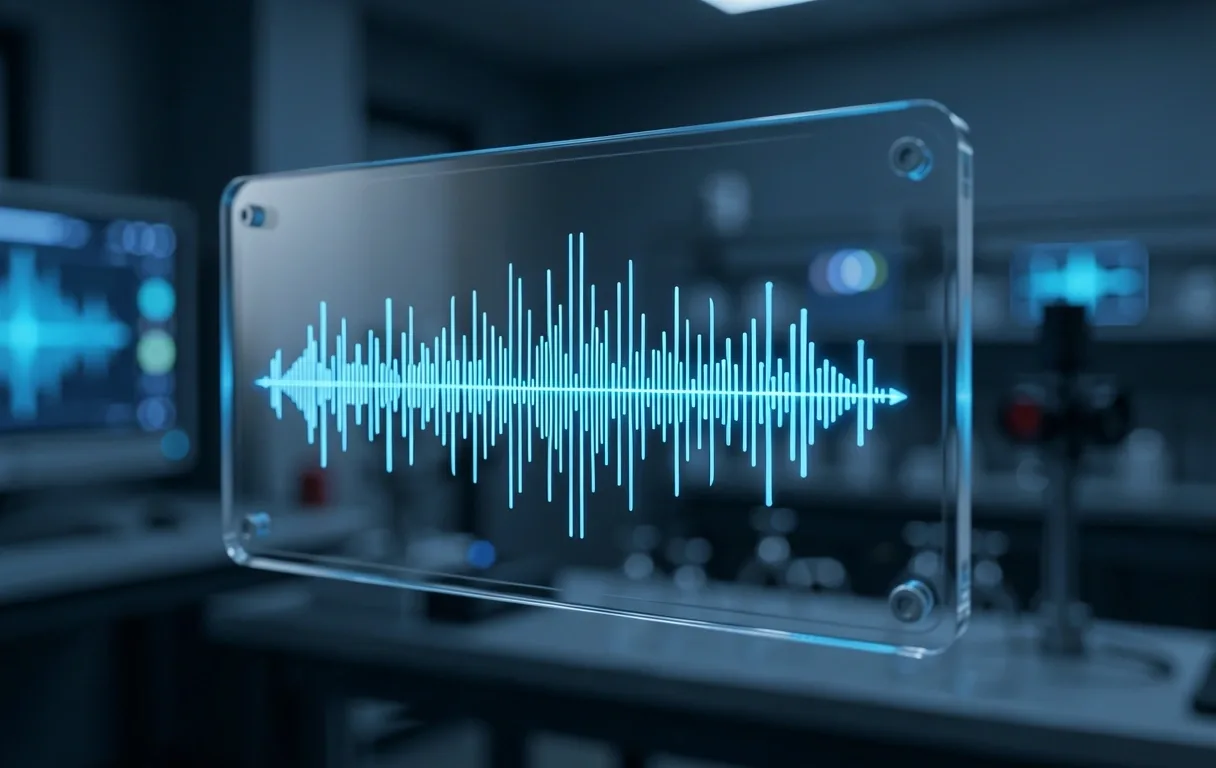
Beyond Simple Recognition
Current industry standards often prioritize "matching" over "understanding." At the Montréal HCI Lab, we focus on the nuances of human-computer interaction that occur in non-ideal conditions—elevated noise floors, overlapping speakers, and varying vocal intensities.
Our research into voice architecture integrates acoustic physics with psychological language cues. By analyzing rhythmic patterns and pitch variance, our frameworks can differentiate between accidental input and deliberate commands, significantly reducing false-trigger rates in professional environments.
Current Framework: SDK v.2026.06.01
Status: Validated for Enterprise Deployment
Engineering Workflow
Precision engineering requires an iterative approach. We guide partners through a rigorous phase-gate process to ensure architectural integrity.
Inquire Lab AccessTechnical Discovery
Review of current software architecture and voice-interface requirements. We document current system API endpoints and map potential user journeys.
Input: System API Docs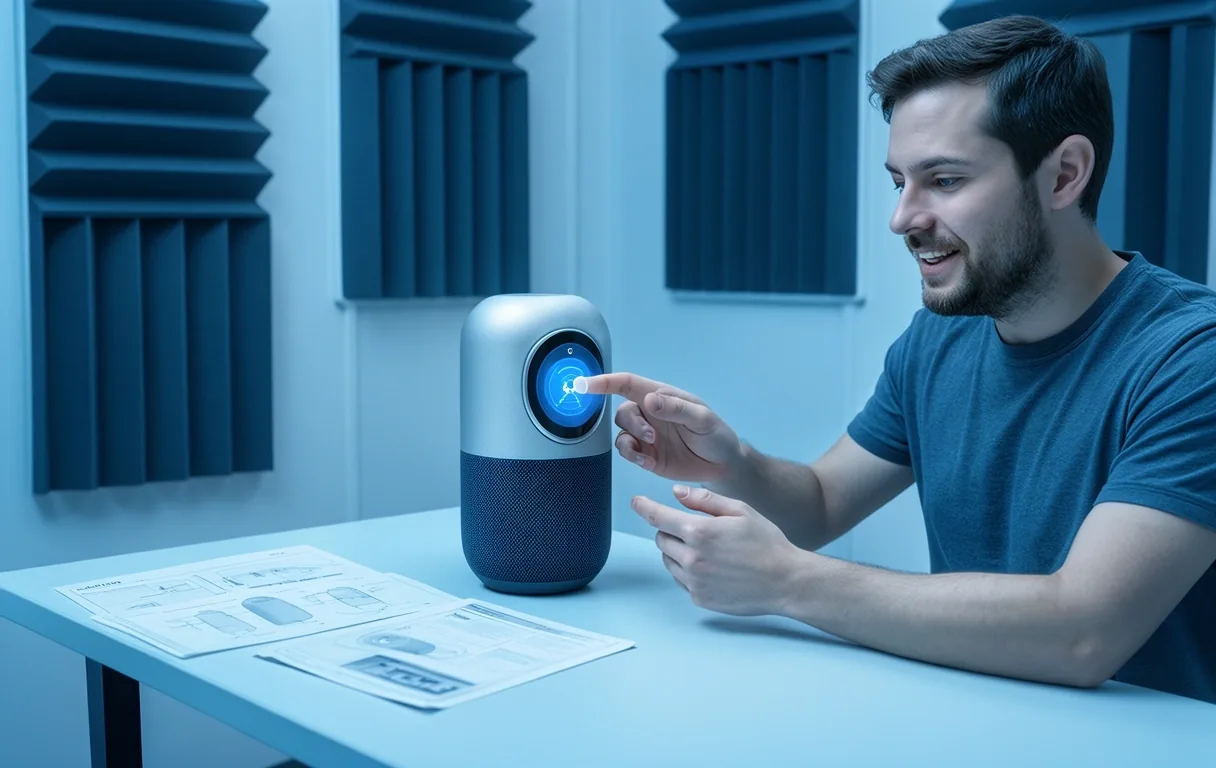
Acoustic Profiling
Capturing sound profiles from real-world usage environments. We measure decibel variance and frequency interference to tune the primary normalization layers.
Input: Audio SamplesLab Prototyping
Iterative testing of voice models in controlled laboratory environments. We stress-test intent mapping against sample datasets to reduce edge-case errors.
Output: Validated ModelDeployment & Audit
Final integration into the client's production environment. We perform accessibility audits to ensure voice compliance with WCAG 3.0 and voice-specific UX standards.
Ready to build the future
of voice interaction?
Research inquiries reviewed within 3 business days / [email protected]